


 Lighting
Amplifiers: The Muscle Behind Modern Electronics


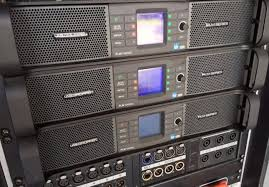
Amplifiers are the muscle of the electronics world. They transform weak electrical whispers into powerful signals capable of driving everything from concert-grade speakers to advanced 5G communication networks. Whether you’re an audiophile chasing pristine sound or an engineer designing the next generation of smartphones, understanding amplifiers is essential.
What Exactly Is an Amplifier?
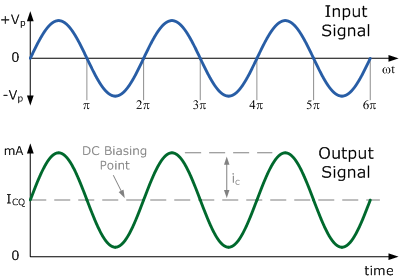
At its core, an amplifier is a device that increases the amplitude—or strength—of a signal without altering its original shape. This signal may be voltage, current, or overall power.
An amplifier acts as a bridge between a weak source, such as a smartphone’s headphone output, and a demanding load, like a floor-standing loudspeaker or transmission antenna.
How Amplifiers Work: The Three-Stage Process
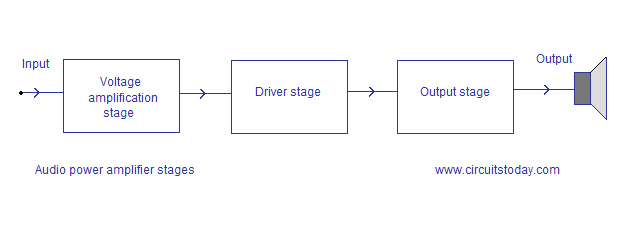
An amplifier doesn’t create energy on its own. Instead, it uses an external power supply to boost the input signal through three main stages:
1. Input Stage
Receives a low-level signal from sources such as microphones, turntables, or audio players.
2. Amplification Stage
The heart of the system. Active components—such as transistors or vacuum tubes—use power from the supply to modulate and strengthen the signal.
3. Output Stage
Delivers the high-power signal to its final destination, whether that’s a loudspeaker, headphone driver, or antenna.
Power Amps vs. Preamps: What’s the Difference?
- Preamplifiers (Preamps) handle source selection and volume control while preparing the signal for amplification.
- Power Amplifiers provide the raw power needed to drive speakers.
An integrated amplifier combines both into a single unit.
The Common Classes of Amplifiers
Class A
Low distortion and smooth sound, but inefficient and hot-running.
Class AB
A balance of sound quality and efficiency; the industry standard.
Class D
Highly efficient and compact; ideal for portable devices and subwoofers.
Key Specifications You Should Know
- Gain: How much the amplifier boosts the signal
- Impedance (Ohms): Must match your speakers
- THD (Total Harmonic Distortion): Lower values mean cleaner sound
Matching an Amplifier to Your Speakers
Impedance
Your speaker’s impedance should match the amplifier’s rated output to avoid overheating or damage.
Wattage (RMS)
Choose an amplifier with 1.5–2× the speaker’s continuous RMS rating for proper headroom.
Sensitivity
High-sensitivity speakers require less power to reach high volume levels.
Amplifier Types and Their Sound “Flavors”
- Integrated Amplifiers: All-in-one convenience
- Tube Amplifiers: Warm, musical character
- Solid-State Amplifiers: Accurate, powerful, and reliable
Choosing the Right Amplifier for Your Use Case
- Critical Music Listening: Class A or premium Class AB
- Home Theater: Class D or G/H
- Subwoofers: High-power Class D
Final Thoughts

Whether you choose an integrated amplifier for simplicity or a dedicated power amplifier for maximum performance, the right amplifier will fundamentally transform your listening experience.
